Latest News
Data Center
Photo courtesy Magnific
The Cost of the Cloud: What Data Centers Do to Our Environment

Published 4:37 PDT, Tue August 11, 2026
Last Updated: 2:45 PDT, Fri August 14, 2026


-
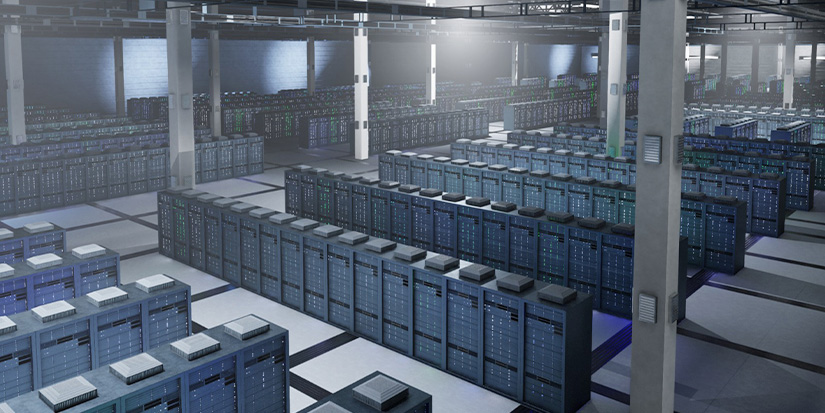
Every time you stream a show, do a Google search, or ask AI a question, that request doesn't just disappear into thin air. It travels to a data center, basically a giant warehouse full of computers that run 24/7 to store and process our digital lives. You've probably never seen a data center, but there's a good chance one is closer than you think: British Columbia is in the middle of a data center boom right now, and it's raising real questions about power, water, and our environment.
Why This Matters
You might assume data centers are a problem for other places like Virginia, Beijing, and Silicon Valley. But B.C. is actively welcoming this industry. BC Hydro and the provincial government just launched a new program to allocate up to 400 megawatts of electricity, enough to power around 350,000 homes for AI and data center projects over the next two years. Companies are lining up for it. Bell Canada alone has announced plans for six new AI data centers in the province.
Why here? B.C.'s hydroelectric power is clean and (relatively) abundant, and land and tech talent are available. That's the pitch. But it also means our province is now wrestling with the same tradeoffs playing out globally: how much power should go to computers instead of homes and other industries, and at what environmental cost?
Electricity
Data centers are power-hungry. Globally, the amount of electricity these facilities use is expected to roughly double by 2030, largely because of artificial intelligence. To put that in perspective: one estimate found that a single AI chatbot request can use nearly ten times more electricity than a regular Google search.
In some places, this is already reshaping the local power grid. In the U.S. state of Virginia, data centers use a quarter of all electricity used in the state. In Ireland, it's over a fifth. That's the scenario B.C. is trying to get ahead of with its new “competitive process,” essentially making data center companies bid for a limited, capped amount of power instead of just plugging in wherever they want.
Water
Here's something most people don't realize: data centers need a lot of water, not just electricity. All those servers generate heat, and the most common way to cool them down is with water-based cooling systems, like a giant liquid air conditioner.
In the U.S. alone, data centers directly used about 17 billion gallons of water in 2023 just for cooling, and that number could nearly quadruple by 2028. A single large data center can use up to 5 million gallons of water a day, which is roughly what a town of 10,000 to 50,000 people would use. Although the water is evaporated and returns to natural cycles, drawing these large amounts of water puts intense strain on supply grids.
Companies like Google and Meta have started publishing some of their numbers, and they're shocking: Google's global data centers used about 6 billion gallons of water in a single year, up sharply from a few years earlier. And that's before counting the water used at the power plants that generate a data center's electricity in the first place, which is often the larger chunk of the total.
What About Carbon Emissions and Climate Change?
Right now, data centers are responsible for a small but fast-growing slice of the world's greenhouse gas emissions, around 0.5% of the global total. That sounds small, but the trend line is steep. A 2026 industry study found that data centers may have emitted over 300 million tons of CO2 in 2025, more than 50% higher than earlier official estimates, mainly because AI's growth caught forecasters off guard. Where that power comes from matters a lot. Electricity from a coal-heavy grid produces way more emissions than electricity from a hydro-heavy grid like ours in B.C. That's actually one reason B.C. is seen as an attractive, “cleaner” location for data centers compared to places that burn a lot of coal or gas for power though clean power is still a limited resource, and every megawatt sent to a data center is a megawatt not available for something else.
It's Not Just Energy and Water
• Backup diesel generators. Most data centers keep large diesel generators on standby in case the power goes out, which adds local air pollution on top of everything else.
• E-waste. Servers typically get replaced every three to five years to keep up with newer, faster technology, creating a steady stream of electronic waste, releasing hazardous materials if not recycled properly.
• Noise. Constant humming from cooling fans and generators has become a real source of neighbourhood complaints in communities near large data center campuses.
• Land & Infrastructure. Big “hyperscale” data centers can span the size of several football fields and often require entirely new electrical substations or transmission lines to support them.
Is Anything Being Done About It?
Yes, and B.C.'s approach is a decent example. Rather than letting data centers connect to the grid on a first-come, first-served basis, the province set a hard cap and is making companies compete for power based partly on community and environmental benefits, not just who applies first. B.C. also permanently banned new grid connections for cryptocurrency mining, freeing up more clean power for the public.
Globally, the tech industry is also investing in newer cooling technology that uses far less water; some newer systems cut water use by 70-90% compared to older designs, along with more efficient chips and renewable energy purchases to offset growing demand.
The Bottom Line for Richmond and B.C. Readers
Data centers aren't going away; if anything, the AI boom means more are coming, and some may end up near us. They bring jobs and investment, but they also come with real environmental tradeoffs: more strain on the power grid, big water demands, and rising emissions tied to a technology most of us use every day without thinking twice about it. As B.C. moves forward with its new rules for allocating power to this industry, how well those tradeoffs get managed will shape not just our electricity bills, but our water systems and climate goals for years to come.








































































































































































2 Hours of free financial consulting
Jai Xin Planning Ltd.
C$120.00 C$0.00

Use any of our home staging service and get a second month rental for free!
MiiX Interiors
C$500.00 C$0.00

Get 10% off any order
Phantom Screens Lower Mainland
C$200.00 C$180.00